
Overview
With the use of the Visualware Publication Satellite (PubSat), reports can be published directly to a web server from MCS. Whether it's an end-of-month report for private use or a weekly review for a customer, it can all be done from this page.
The sections below walk through each part of the Publish a Report page in MCS.
Choose a Report
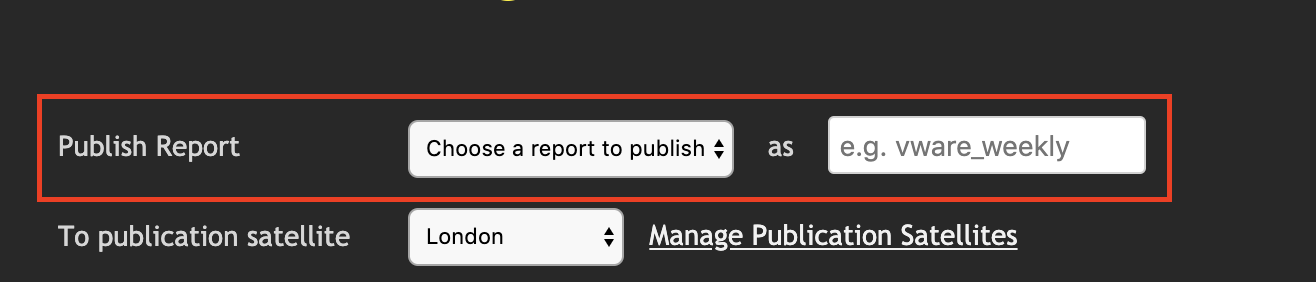
The
The endofmonth the published file will be endofmonth.html.
Choose a Source File
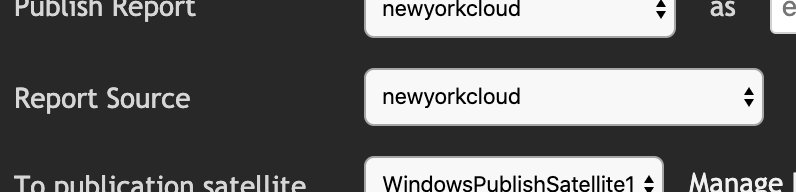
Source files (extension .ppf) define data-driven elements within the report.
In most cases a source file will be created to pair with the HTML portion of a report. The only exception is when data and widget definitions are set directly within the HTML.
Source files can contain tilde substitutions. If any are present, a section will appear below to allow you to select replacement text.
Tilde Substitutions
If tildes are present in the PPF or HTML files selected, they will appear as shown below.
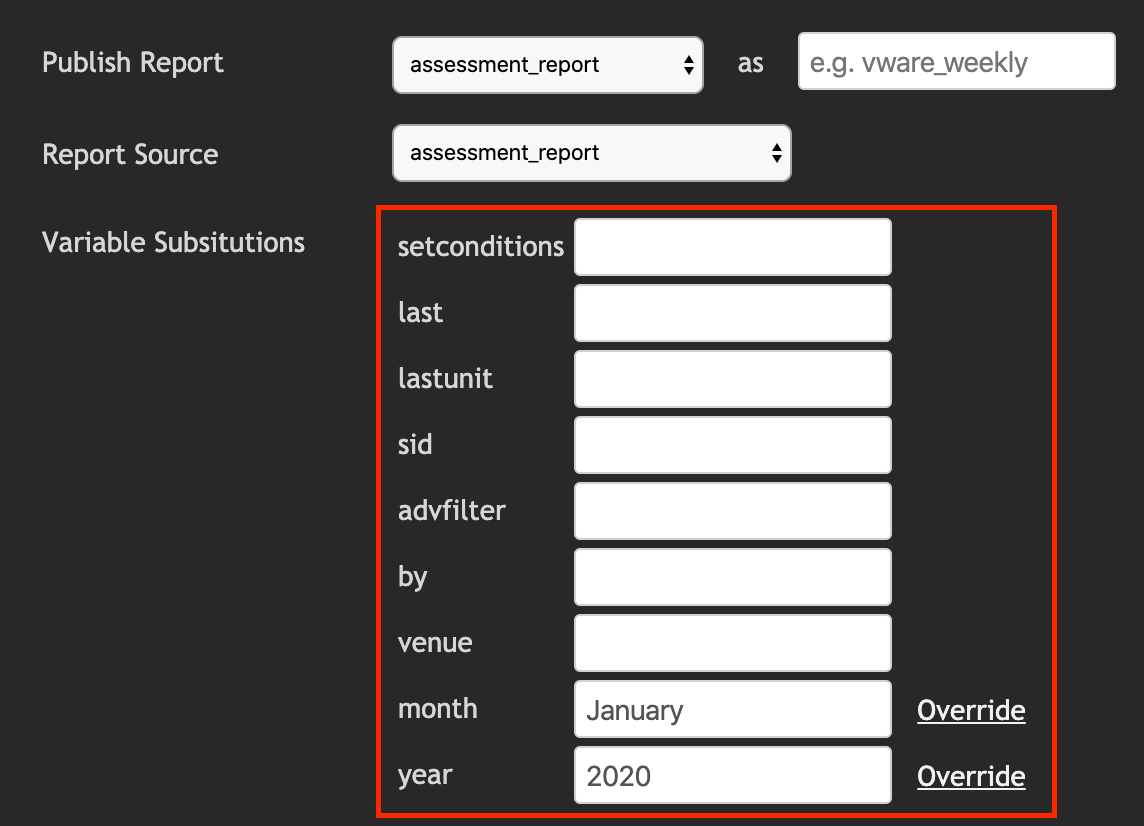
Enter a value for a tilde in the adjacent text box. This value will be used in place of the tilde(s) in the report.
If a tilde has a global value (such as year and month in the image above), you can override the default value by clicking the override link to enable the text field.
Note: Overriding a tilde for a publication will not make the value permanent. The new value will only be used for the publication being created.
To Publication Satellite

The default publication method is
A PubSat is a small program that sits on a web server, allowing reports to be sent from MCS directly to that server. This is a licensed extra — please contact sales for more information.
Once the PubSat is installed on the web server, it must be added to MCS. Click the
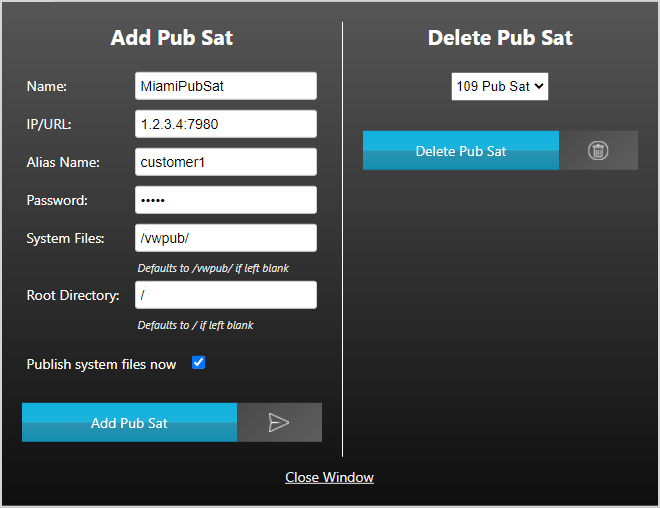
Adding a PubSat
Adding a PubSat requires the following information:
| Field | Description |
|---|---|
| Name | The name used within MCS to reference this PubSat. |
| IP/URL | The IP or domain the PubSat is listening on. Include the port number if it differs from 80 (e.g., 1.2.3.4:7980). |
| Alias Name | Set during PubSat installation. An alias refers to a directory within the web server hierarchy. Multiple aliases can be set per PubSat for publishing to multiple sites. |
| Password | Each alias has a password to prevent unauthorized publications. Must match the value set in pubsat.ini. |
| System Files | Required for reports to load. The directory must be created at the remote end. Default: /vwpub/. |
| Root Directory | The alias root directory on the server. If an alias child directory should be treated as root, define it here. |
| Publish Files Now | Uncheck if the system file directory hasn't been created yet. System files can be published at any time by managing an existing alias. |
Deleting a PubSat
Select the PubSat name from the drop-down menu. When a PubSat is deleted, all associated aliases are also deleted.
The checkbox determines whether associated reports in the publication queue will also be removed. If they aren't deleted, they will need to be updated with a valid PubSat for publication to succeed.
For Alias
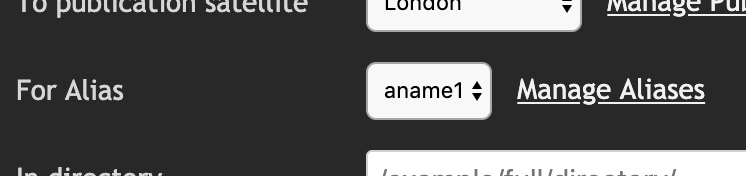
Once a PubSat has been added, the alias created with it will be selected by default. A PubSat can have multiple aliases. To add or delete an alias, click the
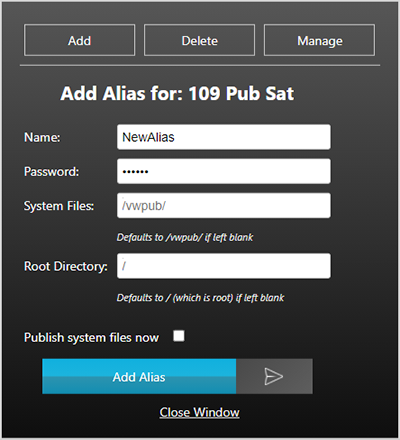
Adding an Alias
| Field | Description |
|---|---|
| Name | Refers to a directory within the web server hierarchy. Multiple aliases per PubSat allow publishing to multiple sites. |
| Password | Must match the value set in pubsat.ini for this alias. |
| System Files | Directory for system files. Must exist at the remote end. Default: /vwpub/. |
| Root Directory | If an alias child directory should be treated as root, define it here. |
| Publish Files Now | Uncheck if the system file directory hasn't been created yet. |
Deleting an Alias
Choose an alias name to delete. If only one alias remains, the PubSat itself must be deleted instead — a PubSat must always have at least one configured alias.
Note: If reports exist in the publication queue that use the alias being deleted, they must be updated to use a valid alias or they will not publish.
Managing an Alias
Use the manage function to update settings (password, root directory, etc.) or to publish system files. Click
In Directory

Specify the directory to publish the report. This directory begins from the root defined by the alias. For example: /support/reports/
Show Title As

The title set here is used when viewing the report from the master report portal page, where all reports are listed and filtered. This is not the title that appears on the actual report — that is defined directly in the report HTML.
Tags

Tags are used to filter reports on the master portal page. If hundreds of reports have been published, tags help quickly narrow down the required report. At least one tag is required.
Use a comma to specify more than one tag. Use hyphens for multi-word tags.
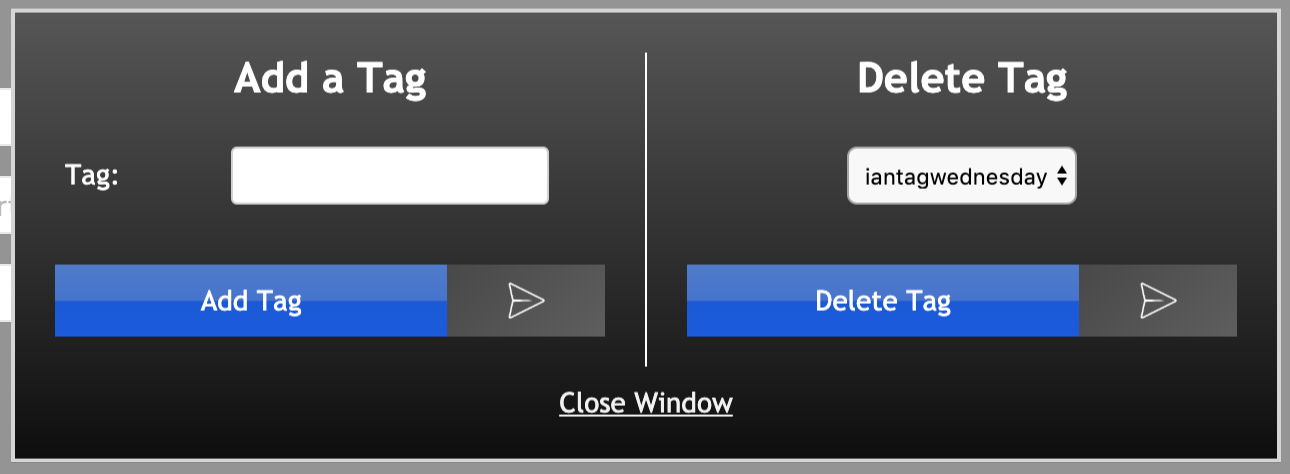
Adding tags to the MCS database enables auto-complete when specifying tags for future reports. A comma-delimited string can be used to add multiple tags at once. To delete a tag, select it from the drop-down and click
When To Publish
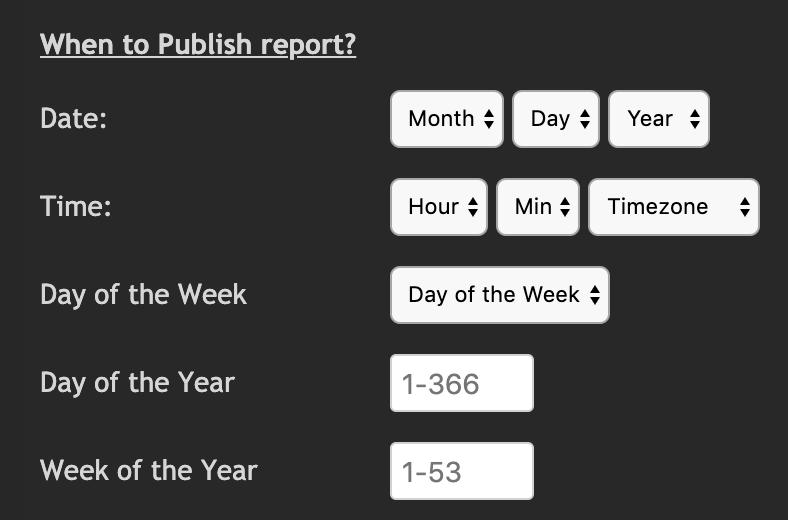
Choose when the report should publish. Wildcards can be used to set a report to publish periodically. For example, choosing Jan 1st but entering **** for the year will ensure the report publishes every year on Jan 1st.
Calendar Events

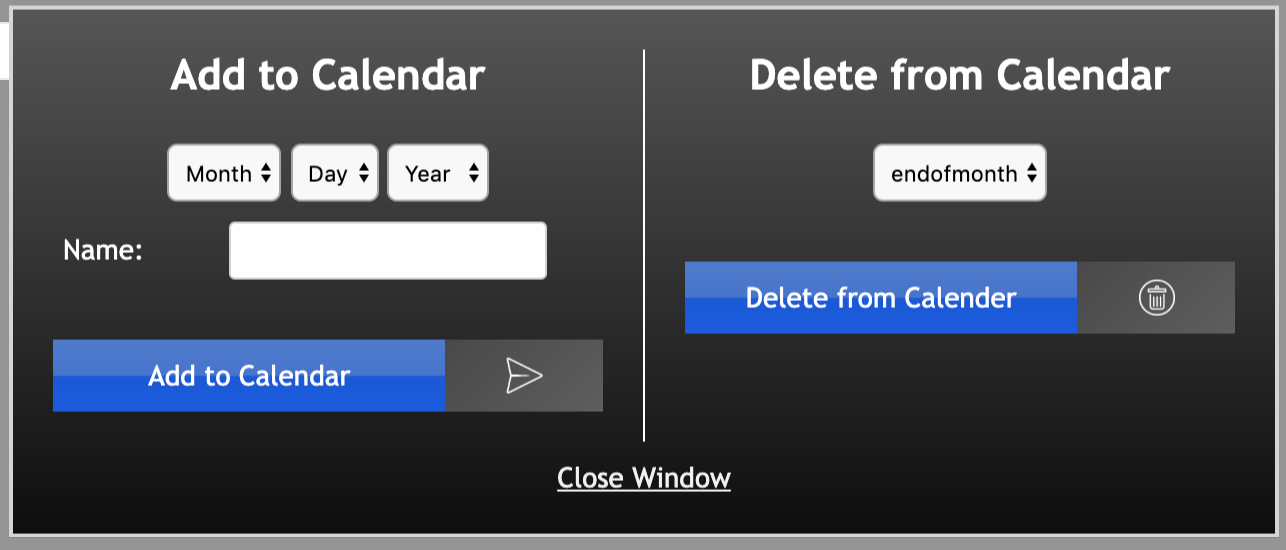
Calendar events can also drive report publishing. This involves adding date-associated keywords to MCS.
For example, setting a variable named ENDOFMONTH with a date of ** (month) 28 (day) **** (year) would become active on the 28th day of every month.
There are two inputs for calendar events, both treated as truth-sets. A report will be deemed eligible for publishing if either all variables in input one are true, or all variables in input two are true.